Experience exchange between the colleagues from Kyustendil and Kazanlak
At the beginning of June, the first part of the long-planned experience exchange took place between the colleagues from our social services. First, the colleagues from Kyustendil visited Kazanlak. Neli Boneva – our manager in Kazanlak, said, “The meeting was very emotional for everyone – both for the professionals and for the children and young people”.
On the first day, colleagues from Kyustendil visited two houses in Kazanlak, where they exchanged experiences and impressions. The second day started with an excursion to the Damascena complex, a beautiful place where they learned more about the history of the Kazanlak rose and the production of rose oil. Later that day they met the young people at the other two family houses.
In the evening, according to Neli, with the folk ensemble’s welcome, “If there was any ice, it was finally melted”.
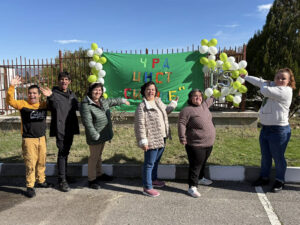
A few weeks later it was the turn of the colleagues from Kazanlak to visit Kyustendil. The young people from our family houses wanted to show themselves as good hosts and welcomed the guests with gifts specially prepared by them in their art therapy classes.
All together they visited the Social Rehabilitation and Integration Centre and the four family houses in the town. Some of them, who had been on the previous exchange years ago, were impressed by how much the centres had developed. They particularly liked the way the houses are arranged, how the young people have their personal belongings and how it really feels like home and comfort. Just before they left for Hisarlaka, the group was surprised by the Mayor of Kyustendil, Engr. Ognyan Atanasov, who recognised the Cedar team and joined them for a short conversation and a photo.
An unexpected surprise for the guests was the Kuker ensemble, who agreed in these high temperatures to demonstrate the custom for the region, which impressed and excited the guests.
Anita Doichinova, manager of our services in Kyustendil said, “The whole visit of our colleagues passed in a warm and friendly atmosphere. I hope we will see each other more often in the future, because it is one thing to communicate by phone or through social media, but it is quite different to meet in person and share good practices and ideas about caring for our young people.”